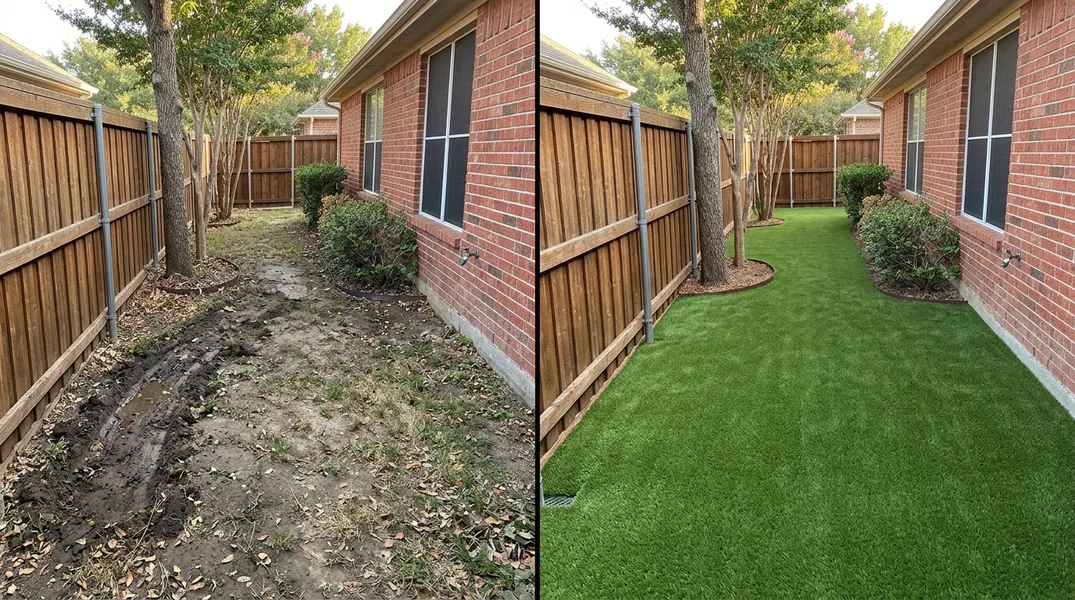
Why Spring Storms Damage Your Artificial Turf in Fort Worth
Spring in Fort Worth brings renewal to our landscapes, but it also brings unpredictable weather patterns that can wreak havoc on outdoor surfaces. Many homeowners who invested in Residential Artificial Grass Installation are surprised to discover unexpected damage after severe spring storms. The culprit often isn't the storm itself, but rather what happens during and after intense weather events.
Spring thunderstorms in the Fort Worth area can produce hail, heavy rain, and extreme temperature fluctuations. While modern artificial turf is designed to withstand harsh weather, certain conditions create perfect scenarios for damage. Hail impacts, flying debris, and even the weight of standing water can stress the turf fibers and backing material. Additionally, the rapid temperature changes that occur during spring weather can cause the synthetic materials to expand and contract, potentially weakening seams and creating vulnerabilities in your lawn.
The Hidden Culprit: Window Reflection and Melted Artificial Grass
One of the most surprising causes of artificial turf damage that homeowners rarely anticipate is window reflection turf damage. This phenomenon occurs when sunlight bounces off windows, skylights, or glass doors and concentrates intense heat onto your artificial grass below. The concentrated beam acts like a magnifying glass, raising the temperature of the turf fibers to levels that can cause melting or severe discoloration. This type of damage is particularly common in homes with large south-facing windows or expansive glass patio doors.
The problem becomes especially pronounced during spring and early summer when the sun's angle changes and days grow longer. A homeowner might notice a perfectly circular or oval melted spot on their lawn, often confused with storm damage or chemical burn. The turf fibers in these areas become warped, discolored, or completely melted, creating an unsightly blemish on an otherwise pristine lawn. What makes this particularly frustrating is that it's not a defect in the turf itself, but rather an environmental factor that few people consider when planning their outdoor space. If you've noticed suspicious melted spots appearing on your lawn, window reflection could be the culprit, and professional turf repair may be necessary.
Identifying Melted Artificial Grass and Storm Damage: What to Look For
Recognizing the difference between various types of artificial turf damage is the first step toward getting the right repair solution. Melted artificial grass typically appears as localized areas where the fibers have lost their texture and color. The affected zone often has a shiny, plastic-like appearance, and you may notice the fibers are clumped together or have fused slightly. Window reflection damage usually creates a distinct pattern that corresponds to the shape of the reflecting surface, such as a circular or rectangular area of damage.
Storm damage, by contrast, often manifests differently. Hail strikes create small dents or punctures scattered across a larger area, while flying debris may cause linear tears or gouges. After severe weather, you might also notice seam separation, where the edges of turf sections begin to pull apart, or backing material becoming exposed. Some damage is immediately obvious, while other issues may take days or weeks to become apparent as the turf settles and the underlying damage becomes visible. If you're unsure about what type of damage you're dealing with, calling a professional for an assessment is always the best course of action.
Artificial Turf Repair Near Me: When to Call the Professionals
Not all artificial turf damage requires professional intervention, but knowing when to call in experts can save you time, money, and frustration. Minor cosmetic issues like small stains or temporary discoloration might resolve on their own or respond to gentle cleaning. However, structural damage such as melted fibers, seam separation, or exposed backing material absolutely requires professional attention. Attempting DIY repairs on these issues often makes the problem worse and can compromise the integrity of your entire lawn.
Fort Worth Turf Installation specializes in identifying and repairing all types of artificial grass damage, from storm-related issues to window reflection turf damage. When you contact us at (682) 354-9527, our team can assess the extent of your damage and recommend the most cost-effective repair solution. Some repairs involve patching specific damaged areas, while others may require full section replacement. We understand the frustration of discovering damage to your investment, and we work quickly to restore your lawn to its original condition. Getting a professional evaluation ensures that your repair is done correctly and that any underlying issues are addressed before they spread to other areas of your lawn.
Prevention Strategies to Protect Your Artificial Turf from Spring Weather Damage
While you can't control the weather, there are several preventive measures you can take to minimize the risk of spring storm damage to your artificial turf. First, ensure that your lawn has proper drainage infrastructure. Standing water after heavy rains can weigh down turf fibers and create conditions for seam separation. During installation, professional crews should create adequate slope and install permeable base layers that allow water to drain efficiently. If your lawn is relatively new and you're experiencing drainage issues, this should be addressed immediately.
For window reflection turf damage, the solution is more straightforward but requires planning. If you know that certain windows or glass structures are positioned to create reflection hotspots, consider installing window treatments like reflective film, external shading, or strategic landscaping elements that block the direct beam. Some homeowners plant trees or install shade structures to interrupt the reflected light path. Additionally, keeping your turf properly maintained with regular brushing and cleaning can help preserve fiber integrity and make the grass more resilient to environmental stressors. These preventive measures, combined with professional installation from Residential Artificial Grass Installation experts, significantly reduce the likelihood of weather-related damage.
Turf Repair Cost and Timeline: What to Expect
Understanding the cost and timeline for artificial turf repair helps you budget appropriately and plan for restoration. The expense of turf repair varies significantly depending on the type and extent of damage. Small patched repairs for melted spots or minor storm damage might cost between three hundred and eight hundred dollars, while larger areas requiring full section replacement can run significantly higher. The pricing ultimately depends on the size of the damaged area, the specific type of turf you have, and the complexity of the repair work required.
Most professional turf repair jobs can be completed within one to three days, depending on the scope of work. Simple patching may take just a few hours, while full section replacement might require a full day or more. Fort Worth Turf Installation works efficiently to minimize disruption to your home and yard. When you contact us for a free estimate, we'll provide a detailed breakdown of costs and timeline so you know exactly what to expect. We also offer emergency repair services for homeowners dealing with extensive storm damage who need rapid restoration.
Looking for a professional artificial grass installation company in Fort Worth? Fort Worth Turf Installation responds fast for all your artificial grass installation needs.
Get a Free Quote