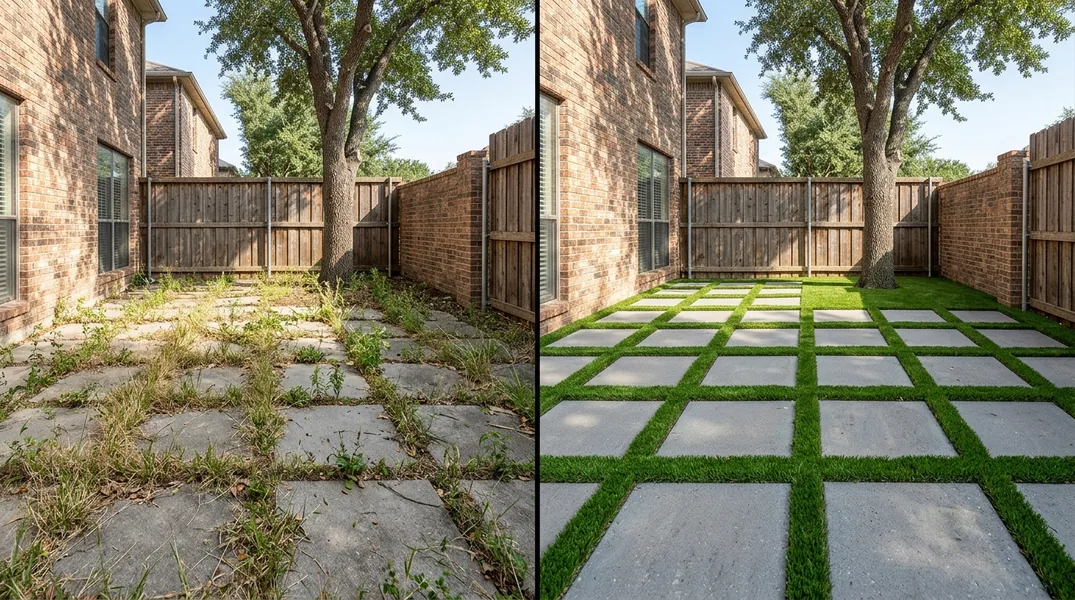
Understanding Lawn-to-Turf Conversion in Fort Worth
If you're a homeowner in Fort Worth considering switching from natural grass to artificial turf, you're joining a growing number of residents who are discovering the long-term benefits of this investment. A lawn-to-turf conversion is more than just removing old sod and laying down new material. It's a comprehensive process that involves careful planning, proper site preparation, and professional installation to ensure your new artificial lawn looks beautiful and functions optimally for years to come.
The conversion process begins with understanding why so many Fort Worth homeowners are making the switch. Texas heat, unpredictable rainfall, and the constant demand for lawn maintenance make artificial turf an attractive alternative. Unlike natural grass that requires regular watering, mowing, and fertilizing, artificial grass eliminates these time-consuming tasks while maintaining a lush, green appearance year-round. When you commit to a lawn-to-turf conversion, you're investing in a solution that will reduce your water bills, free up your weekends, and provide a consistently beautiful outdoor space.
Turf Removal and Site Preparation: What Happens First
The first critical step in any lawn-to-turf conversion is proper turf removal. This isn't as simple as pulling up grass and laying down artificial material. Professional Residential Artificial Grass Installation companies like Fort Worth Turf Installation understand that the foundation is everything. Before any artificial grass goes down, the existing natural lawn must be completely removed, and the underlying soil must be properly prepared.
During the turf removal phase, our team removes the old sod, dead grass, and any debris from your yard. We then assess the soil condition and grade to ensure proper drainage. This step is essential because poor drainage can lead to water pooling, which damages the artificial grass and creates an uneven surface. Once the area is cleared and graded, we install a base layer that provides stability and allows water to drain naturally. This foundation work is what separates a professional installation from a DIY project, and it's the reason why hiring experienced installers makes such a difference in the longevity of your new lawn.
Sprinkler Capping: Protecting Your Irrigation System
One question many homeowners ask during the conversion process is what happens to their existing sprinkler system. Most yards in Fort Worth have underground irrigation lines, and these need to be properly handled during installation. Sprinkler capping is the process of safely closing off or removing the old irrigation system so it doesn't create problems under your new artificial turf. This is an important step that shouldn't be overlooked, as active sprinkler lines under artificial grass can cause flooding, erosion, and damage to the turf.
During the sprinkler capping process, our team locates all underground irrigation lines and either caps them off or removes them entirely, depending on your preferences and future needs. Some homeowners choose to keep their sprinkler system in place but deactivated, in case they ever want to reinstall natural grass in the future. Others prefer complete removal to eliminate any potential issues. Either way, proper capping ensures that your artificial grass installation sits on a stable, dry base. If you're unsure about your current irrigation system or have concerns about how it will be handled, our team at Fort Worth Turf Installation can walk you through all the options during your consultation.
The Watering Myth: Why Artificial Grass Doesn't Need Twice-Weekly Irrigation
A common misconception about artificial grass is that it still requires regular watering. This couldn't be further from the truth, and it's one of the biggest advantages of making the switch. Unlike natural grass that needs watering twice a week during hot Texas summers, artificial turf requires virtually no irrigation. This is one of the most compelling reasons homeowners choose Residential Artificial Grass Installation as part of their lawn-to-turf conversion.
When you eliminate the need for twice-weekly watering, you're not just saving time. You're reducing your water consumption dramatically, which translates to lower utility bills and a smaller environmental footprint. Over the course of a year, the water savings alone can offset a significant portion of your installation investment. The only watering your artificial grass might need is an occasional rinse to remove dust or debris, and even that's optional depending on how much rain your area receives naturally. This dramatic reduction in maintenance is why so many homeowners in Fort Worth are making the conversion from natural lawns to artificial turf.
Residential Artificial Grass Installation Cost in Fort Worth: What to Budget
When considering a lawn-to-turf conversion, it's natural to think about cost. The investment for Residential Artificial Grass Installation varies based on several factors, including the size of your yard, the quality of the artificial grass you choose, site conditions, and whether sprinkler capping is needed. Rather than focusing solely on the upfront cost, it's important to think about this as a long-term investment that pays dividends over time through reduced water bills, eliminated lawn care expenses, and increased property value.
To get an accurate understanding of what your lawn-to-turf conversion will cost, we recommend reaching out for a free estimate. Fort Worth Turf Installation provides transparent pricing based on your specific project needs. When you compare the cost of artificial grass installation against the cumulative expenses of maintaining natural grass over five to ten years, including water bills, lawn chemicals, equipment maintenance, and professional landscaping services, artificial turf typically proves to be the more economical choice. Plus, many homeowners find that the quality of life improvement, convenience, and aesthetic appeal are worth the investment regardless of the financial calculations.
The Complete Conversion Timeline: What to Expect
Understanding the timeline for your lawn-to-turf conversion helps you plan accordingly and know what to expect throughout the process. From the initial consultation to the final walkthrough, a typical residential installation can take anywhere from a few days to a couple of weeks, depending on the size of your project and any complications with the existing landscape. The process generally begins with a site assessment, where our team evaluates your yard's current condition, drainage patterns, and any obstacles like trees, patios, or garden beds.
Once the assessment is complete and you've approved the plan and pricing, the actual installation work begins. Turf removal typically takes one to two days, depending on yard size. Site preparation and base installation follow, which may take another day or two. The artificial grass installation itself is usually completed in one to three days. After installation is complete, we conduct a thorough inspection to ensure everything meets our high standards and your expectations. The entire process is designed to minimize disruption to your home and neighborhood. If you're ready to start your lawn-to-turf conversion journey, contact Fort Worth Turf Installation at (682) 354-9527 to schedule your consultation and learn more about how we can transform your yard.
Looking for a professional artificial grass installation company in Fort Worth? Fort Worth Turf Installation responds fast for all your artificial grass installation needs.
Get a Free Quote